
The Journey of Your Donated Clothes: Where Do They Really Go
Have you ever wondered what happens to your clothes after you drop them off at a donation bin or thrift store? Many people assume their gently used shirts, jeans, and jackets go straight to someone in need, but the journey of donated clothing is much more complex. While some garments do find new homes locally, others travel across the world, get repurposed, or even end up in landfills.
In this post, we’ll break down the fascinating journey of donated clothing and highlight how your contributions impact the global textile industry.
Collection and Sorting
Once you donate your clothes, they are typically collected by charities, thrift stores, or textile recycling facilities. These organizations receive massive amounts of clothing daily, requiring a detailed sorting process.
📌 Statistic: In the U.S. alone, an estimated 17 million tons of textile waste are generated annually, with only 15% being recycled while the rest goes to landfills or incineration. (Source: Environmental Protection Agency – EPA)
• Usable Clothing: Items in good condition (no stains, rips, or excessive wear) are set aside for resale or direct donation.
• Non-Sellable Clothing: Torn, stained, or heavily worn items are often sent for recycling or disposal.
Many charities partner with for-profit textile sorting companies that handle the logistics of grading and distributing the clothes worldwide.
Resale in Local Thrift Stores
A portion of donated clothing ends up in thrift stores, such as Goodwill, Salvation Army, or independent secondhand shops. These organizations sell clothing at low prices to fund charitable programs and community initiatives.
📌 Statistic: On average, only 20-30% of donated clothing is sold at thrift stores, while the rest is either exported, recycled, or discarded. (Source: Council for Textile Recycling)
However, thrift stores can only sell a fraction of donated clothes due to limited space, seasonal demand, and customer preferences. The remaining clothing must find alternative destinations.
Exporting to International Markets
Clothing that doesn’t sell locally is often baled and shipped to developing countries. Nations in Africa, South America, and Asia have large secondhand clothing markets, where businesses purchase bulk shipments of used clothes to resell in local street markets.
📌 Statistic: The U.S. exports roughly 1 billion pounds of used clothing each year, making it one of the largest global exporters of secondhand garments. (Source: U.S. International Trade Commission)
While this provides affordable clothing options, it also raises concerns about sustainability and the impact on local textile industries. Some African countries, for example, have attempted to ban secondhand clothing imports to protect their domestic garment businesses.
Repurposing and Recycling
Not all clothing is suitable for resale, but that doesn’t mean it goes to waste. Textile recycling companies step in to repurpose old clothes in several ways:
• Turning Fabric into Industrial Rags – Worn-out cotton clothes are often cut into cleaning rags for automotive and janitorial use.
• Fiber Recycling – Some textiles are shredded and processed into fibers for insulation, carpet padding, or stuffing for furniture and mattresses.
• Upcycling into New Clothing – Some companies turn old garments into fresh designs by reworking the fabric into new fashion items.
📌 Statistic: Only 12% of textiles globally are recycled, and less than 1% of clothing is recycled into new garments due to challenges in fabric composition. (Source: Ellen MacArthur Foundation)
Despite these recycling efforts, a significant portion of textiles still ends up in landfills, where synthetic fibers (like polyester) take hundreds of years to break down.
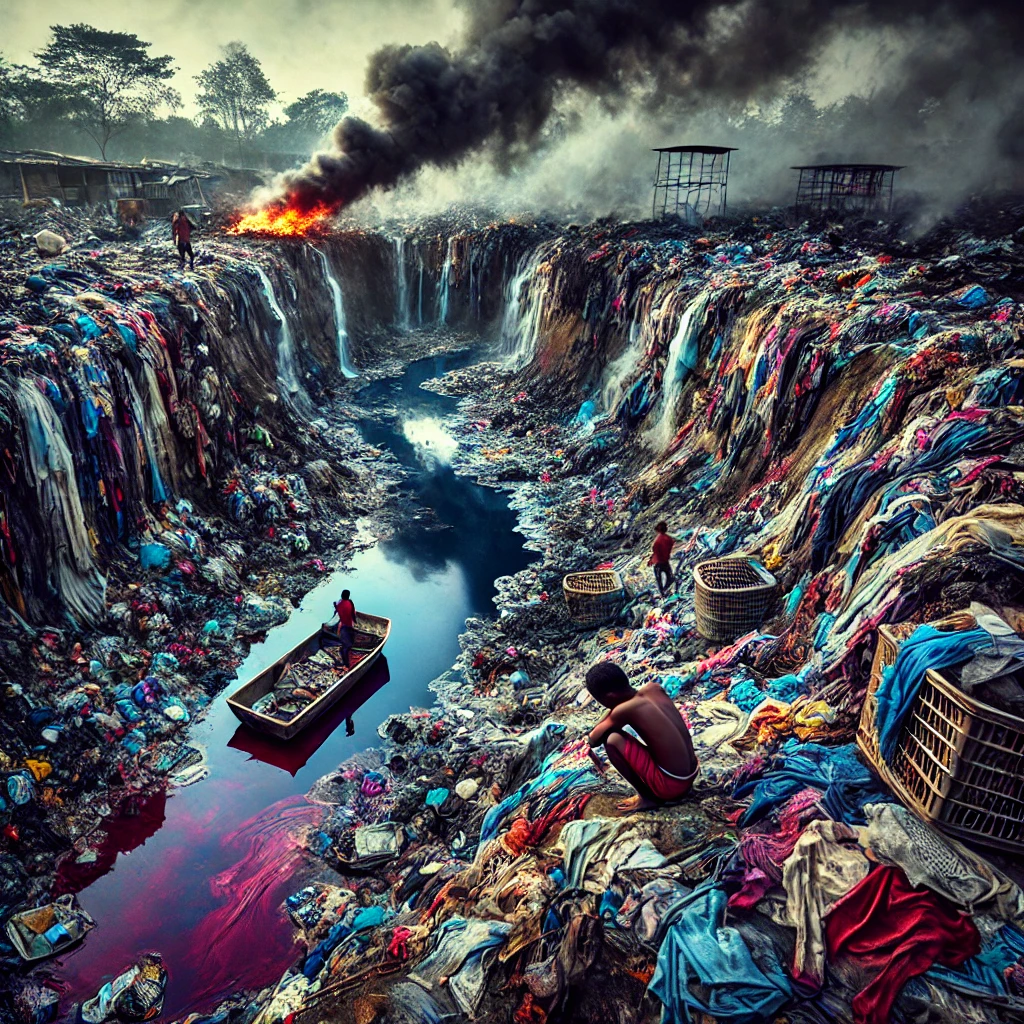
Landfills and Waste Management
Unfortunately, around 60-85% of donated clothes never get reused and ultimately end up in landfills. Many charities and thrift stores receive more clothes than they can handle, and some fabrics are too degraded to recycle efficiently.
📌 Statistic: The fashion industry is responsible for 10% of global carbon emissions, with textile waste in landfills releasing methane, a potent greenhouse gas. (Source: United Nations Environment Programme – UNEP)
This is why it’s essential to donate responsibly and make thoughtful choices about the clothes we buy and discard.
How to Make Sure Your Donations Have the Best Impact
If you want to maximize the impact of your clothing donations, here are a few tips:
✔ Donate Only What’s Wearable
If it’s stained, ripped, or heavily worn, consider repurposing or recycling it instead.
✔ Choose the Right Organization
Some charities prioritize reusing clothes over selling them in bulk.
✔ Learn About Local Textile Recycling Programs
Some cities have dedicated drop-off locations for fabric recycling.
✔ Support Sustainable Fashion
Buy higher-quality clothing and take care of what you own to reduce overall waste.
Final Thoughts
While donating clothes is a great way to give back and promote sustainability, it’s essential to understand where those garments actually go. Some will be worn by new owners, others will be repurposed, and unfortunately, a large percentage will still contribute to textile waste.
By being mindful of our clothing choices and supporting responsible recycling efforts, we can help reduce the environmental impact of fashion and give our old clothes the best possible second life.
Have you ever thought about where your donated clothes go? Let us know in the comments!
